
Most people misread West Los Angeles. They treat it as a monolithic pass-through—a convenient logistical bridge connecting the coastal lifestyle of Santa Monica to the corporate towers of Century City and Beverly Hills. But when I’m touring clients through this geographic anchor, I always start with an honest observation: if you aren’t paying attention to where the 90025 zip code ends and the 90064 zip code begins, you’re flying blind in one of the most dynamic real estate markets in Southern California.
We aren’t just looking at one neighborhood. We’re navigating a tale of two zip codes, each governed by an entirely different set of rules, rhythms, and real estate realities.
Following our earlier market spotlights, we’re breaking down this vital cross-cultural hub. Historically shaped by early 20th-century Japanese-American nursery owners, West LA has evolved into one of the most resilient residential districts on the Westside. Whether you’re drawn to the high-density, culinary innovation of Sawtelle Japantown or the quieter, tree-lined estate transitions nearing Rancho Park, West LA remains a highly defensive store of value for buyers who prioritize immediate Westside connectivity over coastal premiums.
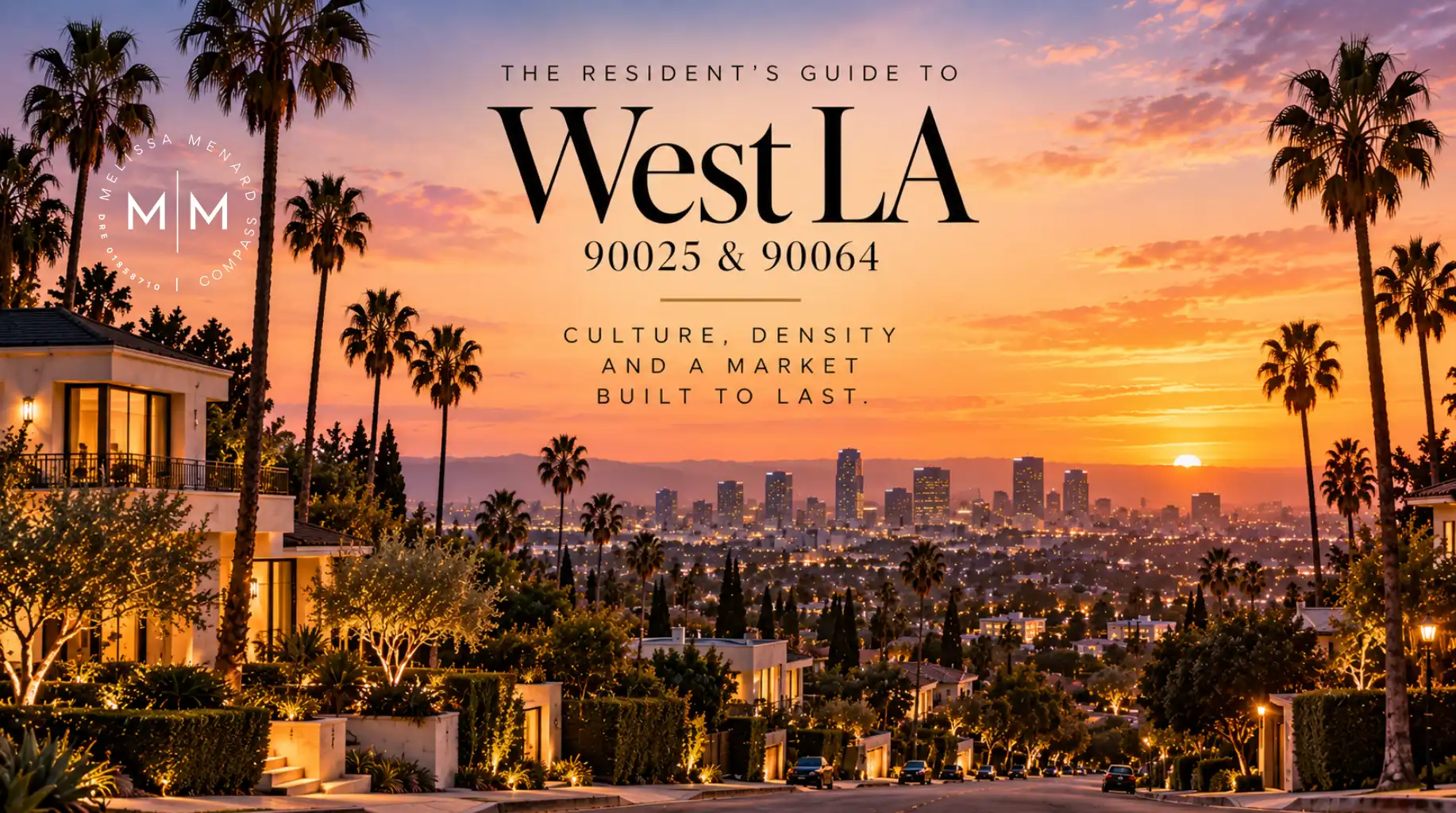
Culture, density, and a market built to last. The sweeping West LA skyline.
FAST FACTS: West LA (90025 & 90064)
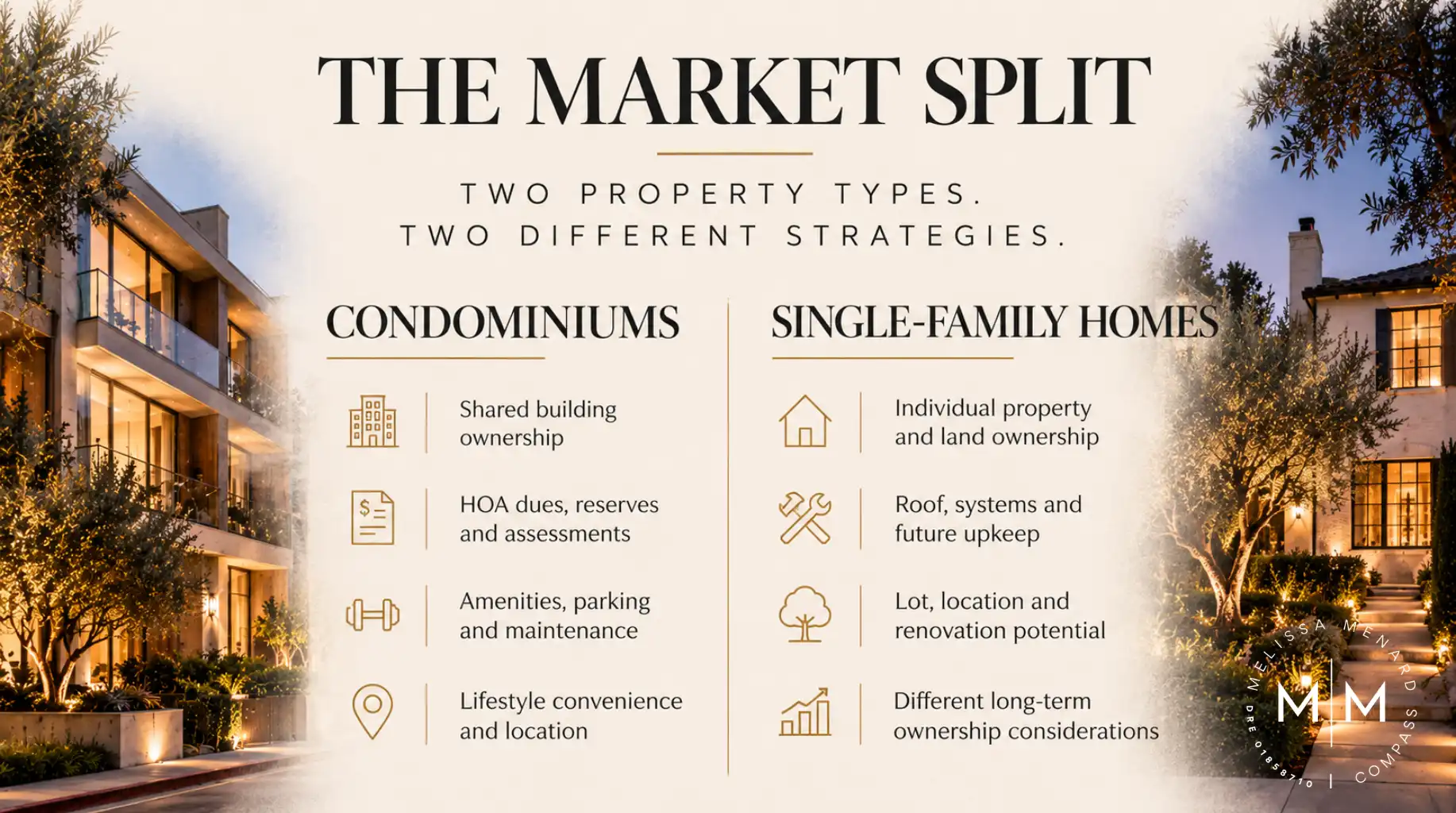
- The Market Divide: West LA is fundamentally bifurcated. The 90025 zip code is dominated by high-density luxury condominiums (with Sawtelle homes selling for a median price of $1,189,667), while 90064 transitions into highly competitive, single-family neighborhoods.
- Inventory Velocity: Homes in the 90025 zip code currently sell in an average of 52 days on the market. Sawtelle specific homes average around 48 days on the market.
- Cultural Status: Sawtelle Japantown (90025) is one of only four officially recognized Japantowns in the United States, originally established by Japanese-American landscape architects in the 1920s.
- Transit-Oriented Capital: Both zip codes are anchored by the Metro E Line (with key stations at Sepulveda, Expo/Bundy, and Westwood/Rancho Park), insulating property values by capturing a car-independent workforce.
- Market Competitiveness: The 90025 housing market is considered “somewhat competitive,” with homes receiving an average of 2 offers.
The Tale of Two Zip Codes: 90025 vs. 90064
To genuinely understand West LA, we have to pull the numbers and the geography apart. Blending the data for the entire neighborhood masks the underlying reality of how capital actually behaves here.
90025: High-Utility Density & The Cultural Core The 90025 zip code is the energetic heart of West LA. Centered around Sawtelle Japantown and the Olympic Boulevard corridor, this area is defined by “corridor-centric” walkability and high-density residential infill.
- The Housing Profile: Condominiums are the backbone of 90025. It serves as the primary entry point for young tech professionals, Silicon Beach creatives, and UCLA faculty.
- The Vibe: Fast-paced and highly walkable. You don’t need a car to access world-class dining, technical coffee roasters, or your morning commute via the E Line. Single-family homes do exist here, but they are hyper-scarce and fiercely contested.
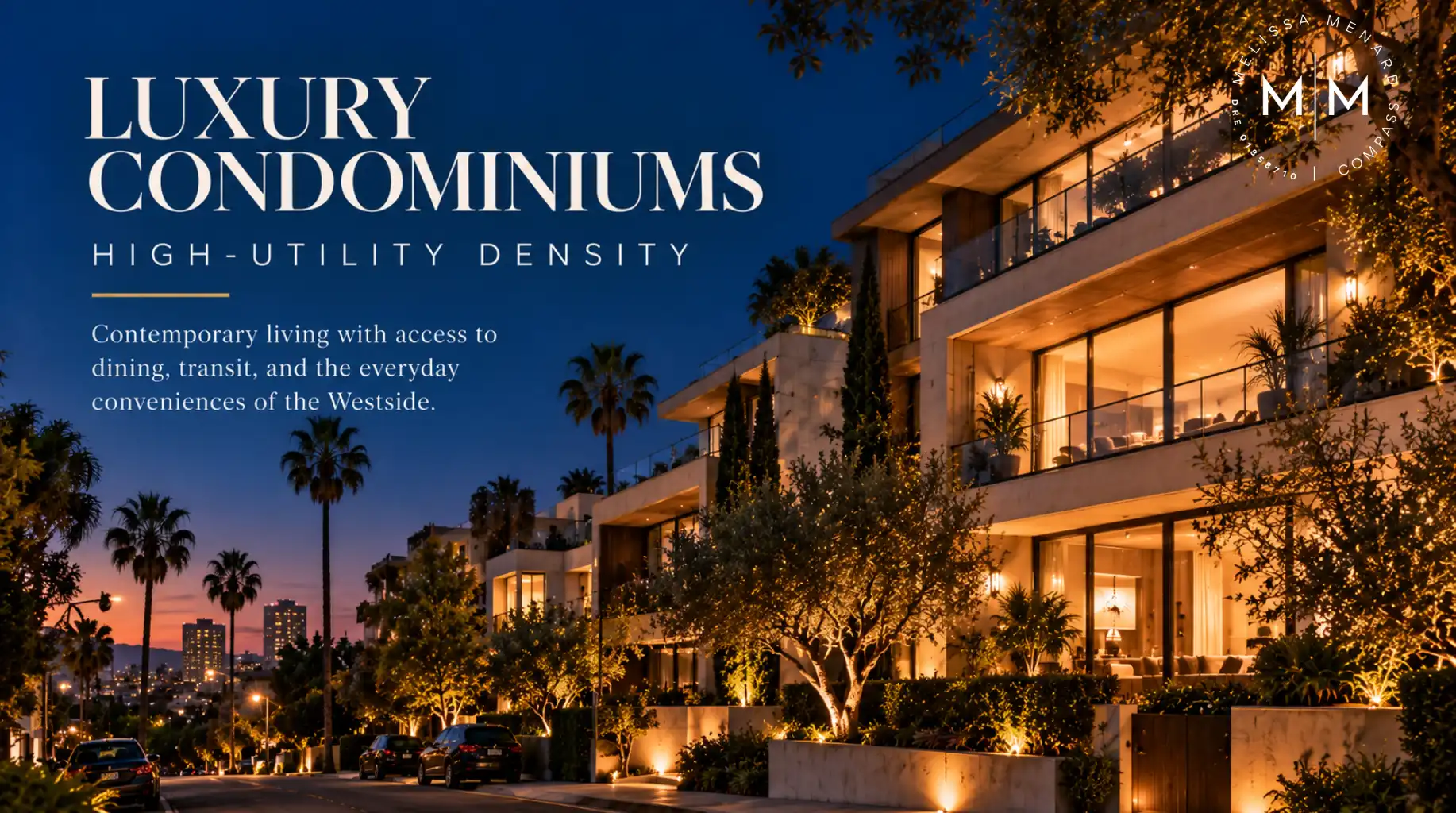
High-utility density: Contemporary living with access to dining, transit, and everyday conveniences in 90025.
90064: The Quiet Canopy & Estate Transition As you move east and south toward the 90064 zip code, the energy shifts dramatically. Encompassing areas adjacent to Rancho Park and Cheviot Hills, 90064 trades neon culinary signs for mature tree canopies and expansive lawns.
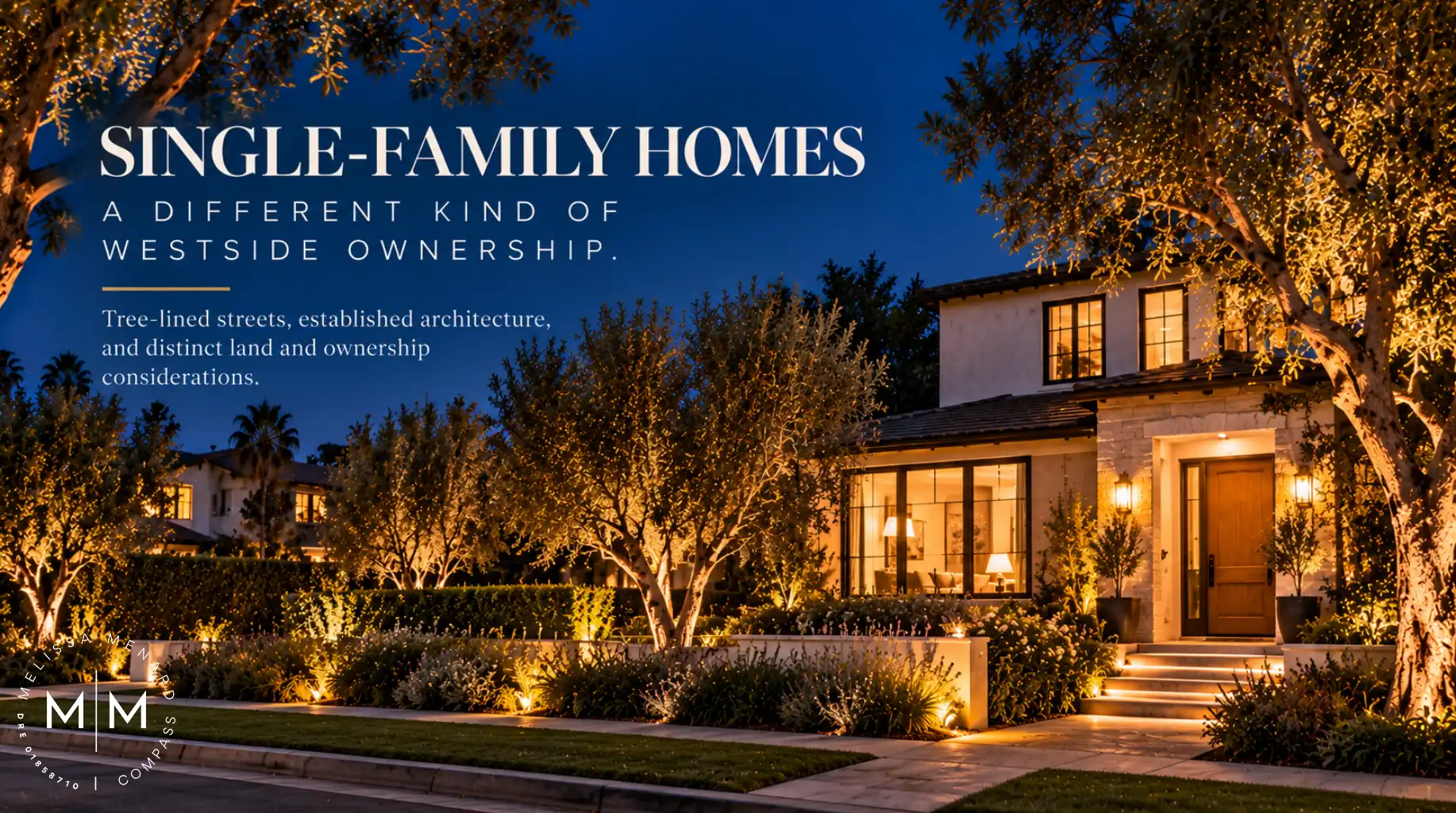
- The Housing Profile: This is single-family territory. We see beautifully preserved 1940s traditionals, mid-century bungalows, and modern architectural expansions.
- The Vibe: It feels remarkably suburban given its central geographic placement. Established families and long-term equity investors target 90064 for its quiet interior streets, total land control, and proximity to major studios and Century City.
A different kind of Westside ownership: Established architecture and quiet, tree-lined streets define the 90064 market.
The Historical Significance of Sawtelle Japantown (90025)
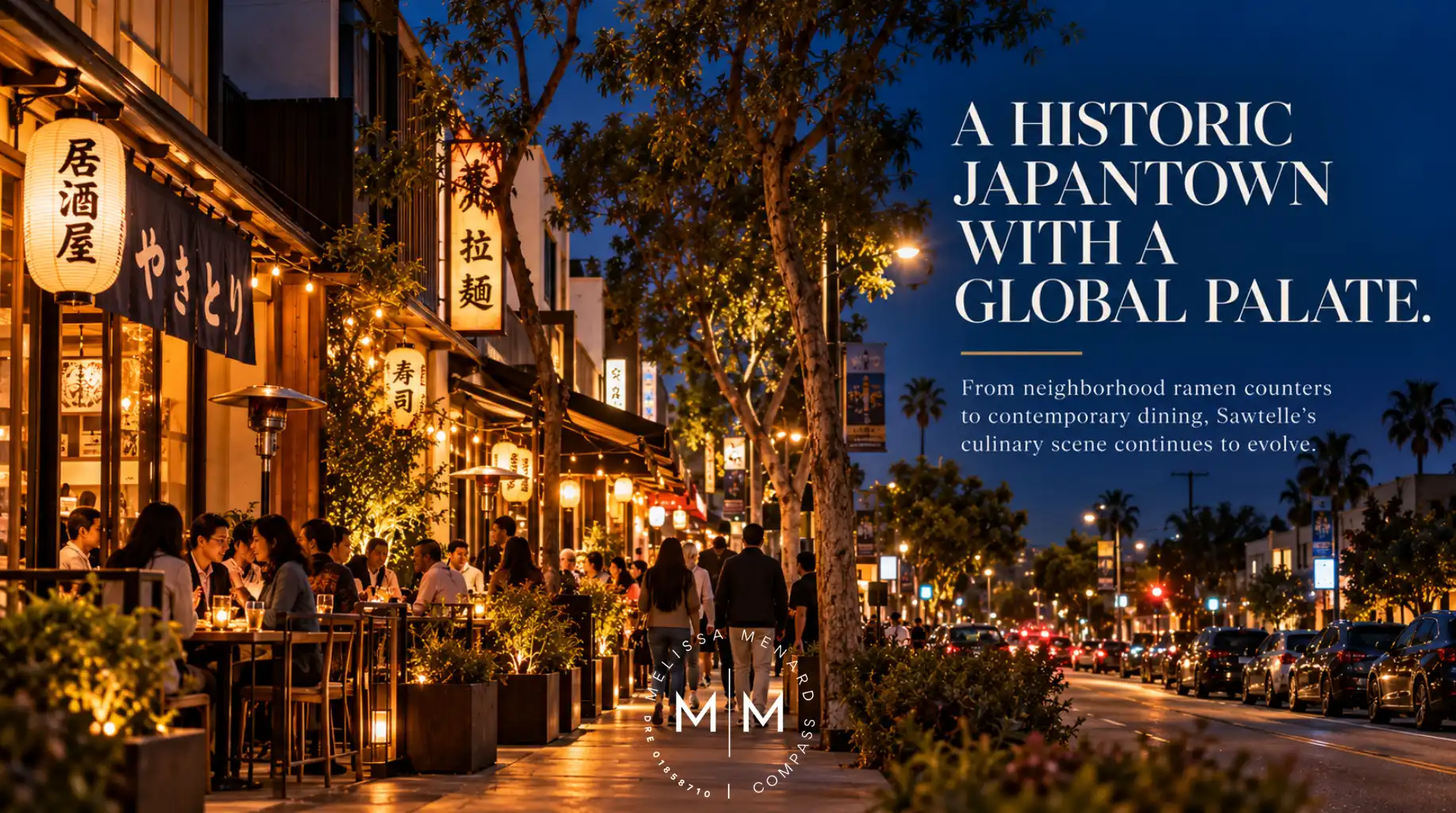
You can’t discuss West LA without honoring Sawtelle Japantown. It represents one of the most culturally significant and historically resilient micro-markets on the Westside. Its evolution from a quiet agricultural enclave into a globally recognized culinary corridor is a masterclass in community endurance.
The Agricultural Foundation (1890s – 1930s) The roots of Sawtelle’s Japanese-American community trace back to the 1890s. By the 1920s, it had solidified into a vital enclave composed primarily of Japanese-American landscape architects, gardeners, and nursery owners. These professionals were the quiet force behind the Westside’s real estate boom, providing essential landscaping services to the sprawling estates developing in neighboring Bel Air, Brentwood, and Santa Monica.
Disruption, Incarceration, and Resilience This trajectory was severely disrupted during World War II when Japanese-American residents were forcibly removed and incarcerated following Executive Order 9066. Nurseries were abandoned, and the community’s economic engine halted. Yet, what separates Sawtelle from many other historic enclaves is its remarkable post-war recovery. Following their release, residents returned directly to West LA to reclaim their properties and rebuild.
Today, those deep commercial parcels have adapted into sleek residential infill and high-concept culinary storefronts. In 2015, the city officially designated the area “Sawtelle Japantown,” balancing modern residential density with over a century of protected heritage.
A historic Japantown with a global palate: Sawtelle’s culinary scene continues to evolve.
Walkability, Infrastructure, and The 2026 Culinary Renaissance
The current wave of West LA’s evolution is fascinating. In 90025, we aren’t just seeing a neighborhood being replaced; we’re watching a historic Japantown absorb the broader spectrum of global Asian cuisine. Korean bistros, Southern Thai concepts, and Sichuan noodle houses are opening alongside legacy Japanese institutions. The arrival of reservation-only, multi-course omakase counters is introducing a new, affluent demographic to the corridor.
But what truly anchors the long-term value of both 90025 and 90064 is infrastructure. The Metro E Line fundamentally alters how residents interact with the city.
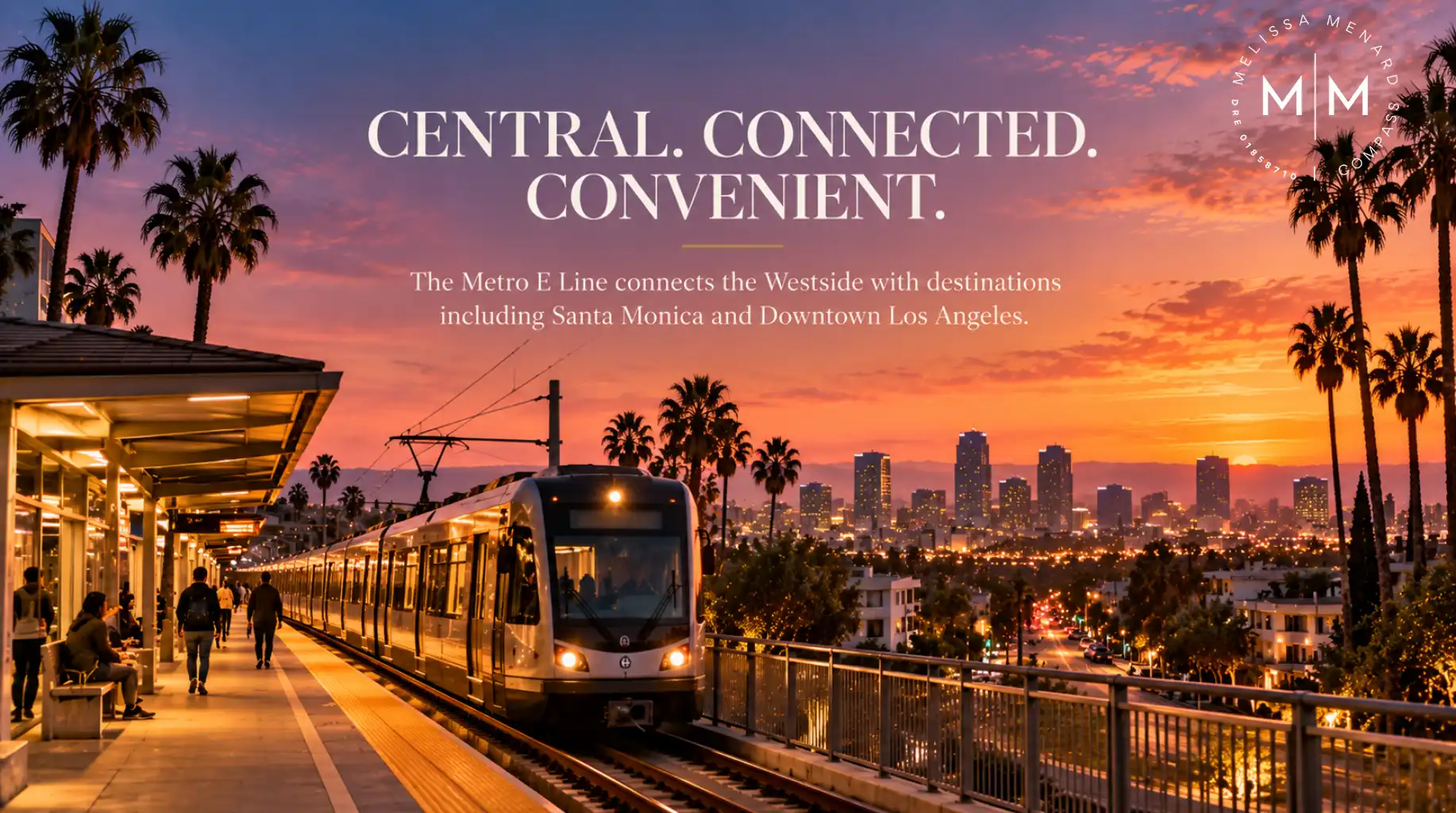
Central, Connected, Convenient: The Metro E Line connects the Westside, deeply insulating local property values.
Meanwhile, residents in 90064 enjoy a slightly different cadence. Walkability here means weekend mornings at the local golf course, walks through the expansive greenery of Rancho Park, and easy access to the independent boutiques lining Pico Boulevard.
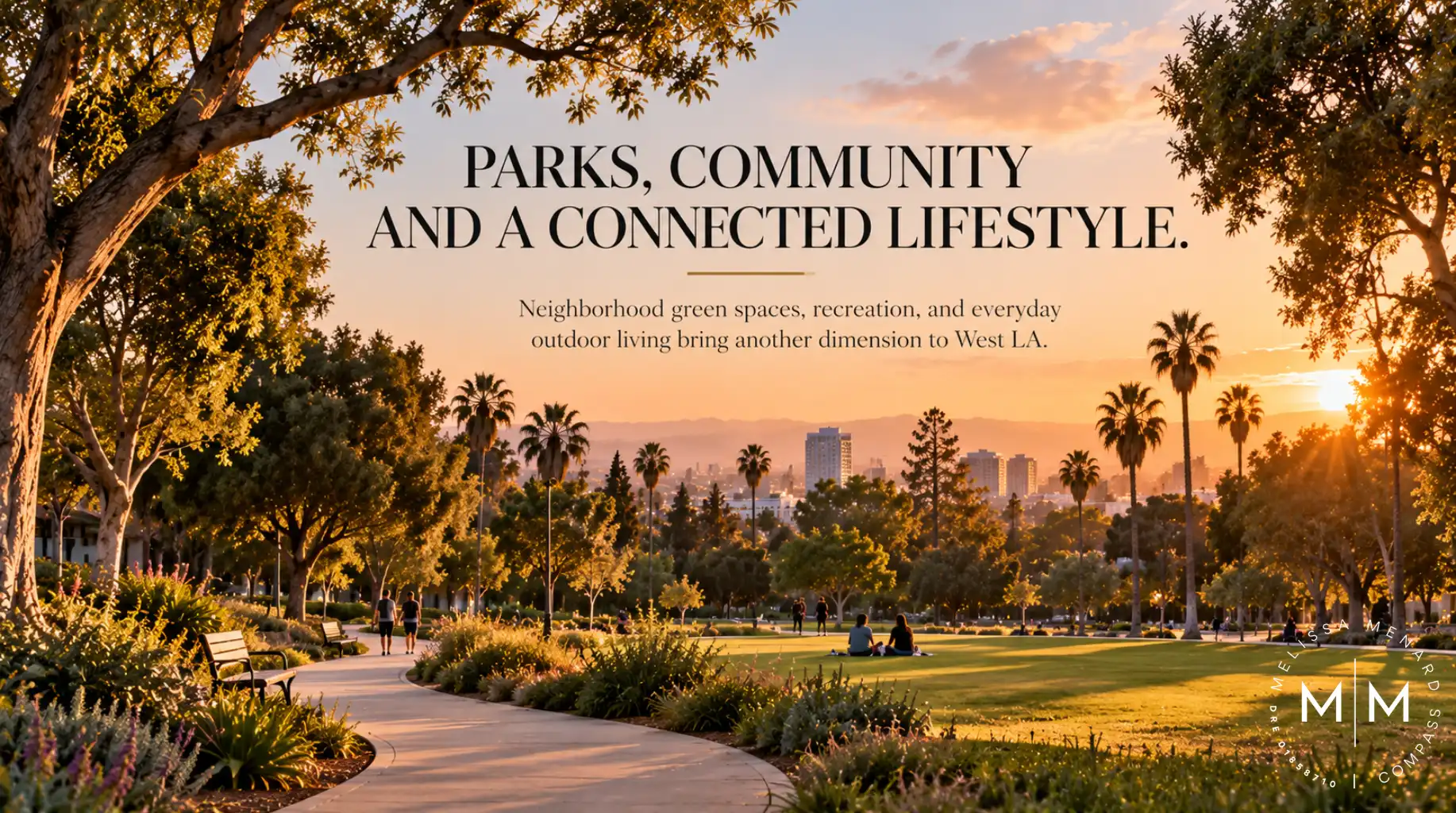
Parks, community, and a connected lifestyle bring another dimension to West LA.
Buyer & Seller Considerations for West LA
For Buyers: You can’t time the market perfectly, but you can leverage neighborhood nuance. If you are targeting a condo in 90025, your focus shouldn’t just be the interior finishes—it must be the financial health of the building. Rising HOA fees can cripple your holding costs. If you are hunting for a single-family home in 90064, you need to be fully underwritten and ready to strike. The market is tight, and precision is your best leverage.
For Sellers: Understand your buyer avatar. If you’re selling a modern condo in 90025, we are marketing the lifestyle, the walkability to Sawtelle, and the logistical ease of the E Line. If you’re selling a single-family home in 90064, we are marketing extreme scarcity, school proximity, and land value. In either scenario, strategic, data-backed pricing is your greatest asset.
FAQ: Navigating the West LA Real Estate Market
1. What is the main difference between the 90025 and 90064 zip codes?
90025 is denser, highly walkable, and condo-heavy, anchored by Sawtelle Japantown. 90064 is quieter, more suburban, and heavily composed of single-family homes transitioning toward Rancho Park.
2. How competitive is the 90025 real estate market?
It is considered somewhat competitive, with homes receiving an average of 2 offers and selling in about 52 days.
3. What is the median sale price in Sawtelle?
As of late 2026, the median sale price for a home in the Sawtelle area is $1,189,667.
4. Why are single-family homes so competitive in West LA?
Extreme inventory scarcity. There is virtually no new single-family development, forcing buyers to aggressively compete for the limited existing supply of 1940s traditionals and mid-century bungalows.
5. What is the history behind Sawtelle Japantown?
Established in the 1920s by Japanese-American landscape architects, the area survived the disruptions of WWII internment and rebuilt itself into a vital cultural and culinary hub.
6. Is Sawtelle Japantown officially recognized by the city?
Yes, the Los Angeles City Council officially designated the corridor as “Sawtelle Japantown” in 2015.
7. How does the Metro E Line affect property values in West LA?
Proximity to the E Line stations (Bundy, Sepulveda, Westwood/Rancho Park) insulates property values by providing a highly desirable, car-independent transit option.
8. What kind of restaurants are in West LA?
The 90025 area features a world-class concentration of Asian cuisine, ranging from legendary ramen shops to high-end omakase, alongside Thai and Sichuan concepts.
9. Are there environmental risks buyers should know about in 90025?
Yes, 90025 has a major risk from heat, with 99% of properties considered at risk over the next 30 years. Flood and fire risks are considered minor.
10. Who typically buys in 90025?
The demographic is heavily composed of young tech professionals, UCLA faculty, and first-time Westside buyers seeking a walkable lifestyle.
11. Who typically buys in 90064?
Established families, relocators, and long-term equity investors seeking quiet streets, larger lots, and proximity to top-tier schools and Century City.
12. What is the most common condo layout in West LA?
Two-bedroom layouts form the bulk of the market and serve as the standard functional footprint for the area.
13. Why do some condos sit on the market longer?
Units in buildings with deferred maintenance, abnormally high HOA fees, or those lacking secured parking tend to experience higher days on market.
14. Is West LA a good area for real estate investors?
Yes, its proximity to major employment hubs ensures a permanent stream of high-net-worth tenant demand.
15. What are the local coffee shop favorites?
GoodPeople Coffee and 10 Speed Coffee are local staples for technical single-origin roasts and creative workspace energy.
16. How does West LA differ from Brentwood?
West LA offers higher density, better transit integration, and a more accessible price point, while Brentwood leans heavily into sprawling, ultra-luxury single-family estates.
17. What should condo buyers look out for?
The financial health of the Homeowners Association (HOA). A beautifully renovated unit in a building with underfunded reserves is a massive liability.
18. What is the nightlife like in West LA?
It leans toward sophisticated, high-energy dining and curated lounges, such as the speakeasy-style Wellesbourne.
19. Are there good parks in West LA?
Yes, Stoner Recreation Center serves 90025, while 90064 benefits from immediate adjacency to the sprawling Rancho Park Golf Course.
20. What is the best strategy for winning a single-family home here?
Work with a well-connected agent who can surface off-market opportunities and ensure your financing is fully underwritten before you even tour a property.
The Strategist’s Perspective
Navigating West LA requires an analytical approach. You aren’t just buying a floor plan; you are buying into infrastructure, transit synergies, and highly specific neighborhood rhythms. Whether you are targeting the cultural vibrancy of a 90025 condo or the quiet estate preservation of a 90064 single-family home, your strategy must be rooted in data, not emotion.
Let’s discuss how your portfolio aligns with the realities of the Westside.
Schedule a Strategy Consultation
Melissa Menard REALTOR® | Compass
West LA & Surrounding Los Angeles Areas
📞 310.729.9726 | DRE# 01858710
📧 melissa@melissamenardhomes.com
🌐 www.MelissaMenardHomes.com
Disclaimer: The information provided in this post is intended for educational purposes only and should not be considered financial, legal, tax, or investment advice. Real estate laws, market conditions, and regulations change over time. Please consult the appropriate licensed professionals regarding your specific situation. All content should comply with applicable Fair Housing laws and regulations.