

If you glance at the headlines right now, you might think the Los Angeles real estate market is on the verge of an absolute meltdown. Sensational titles scream that home prices are taking a major dive, buyers are fleeing the market in droves, and that the entire ecosystem is structurally broken. But anyone who lives and works in the luxury enclaves of L.A.—from the Bird Streets in the Hollywood Hills to the tree-lined drives of Brentwood and Pacific Palisades—knows there is a massive gulf between media panic and on-the-ground reality.
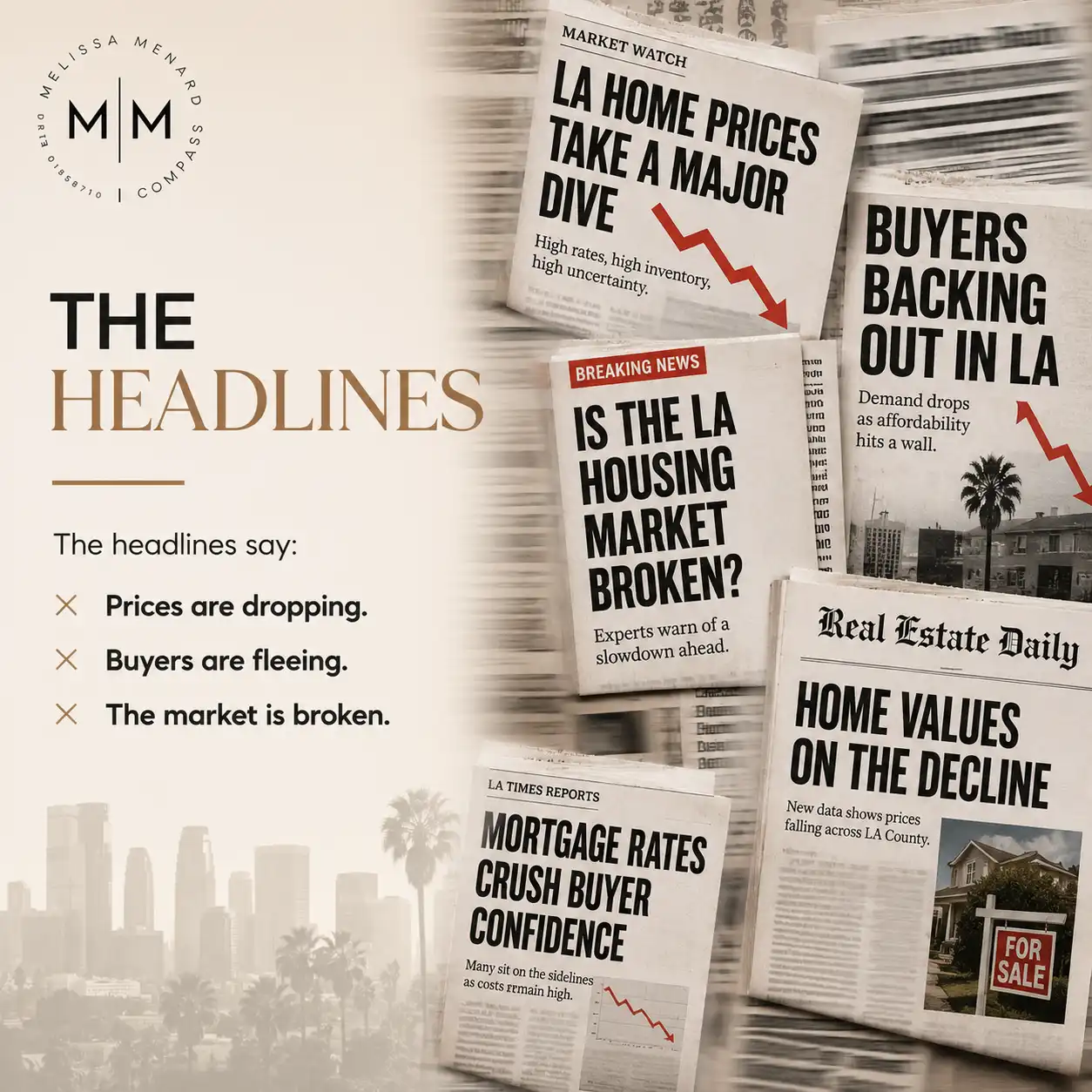
The truth? The Los Angeles housing market is not crashing. It is resetting.
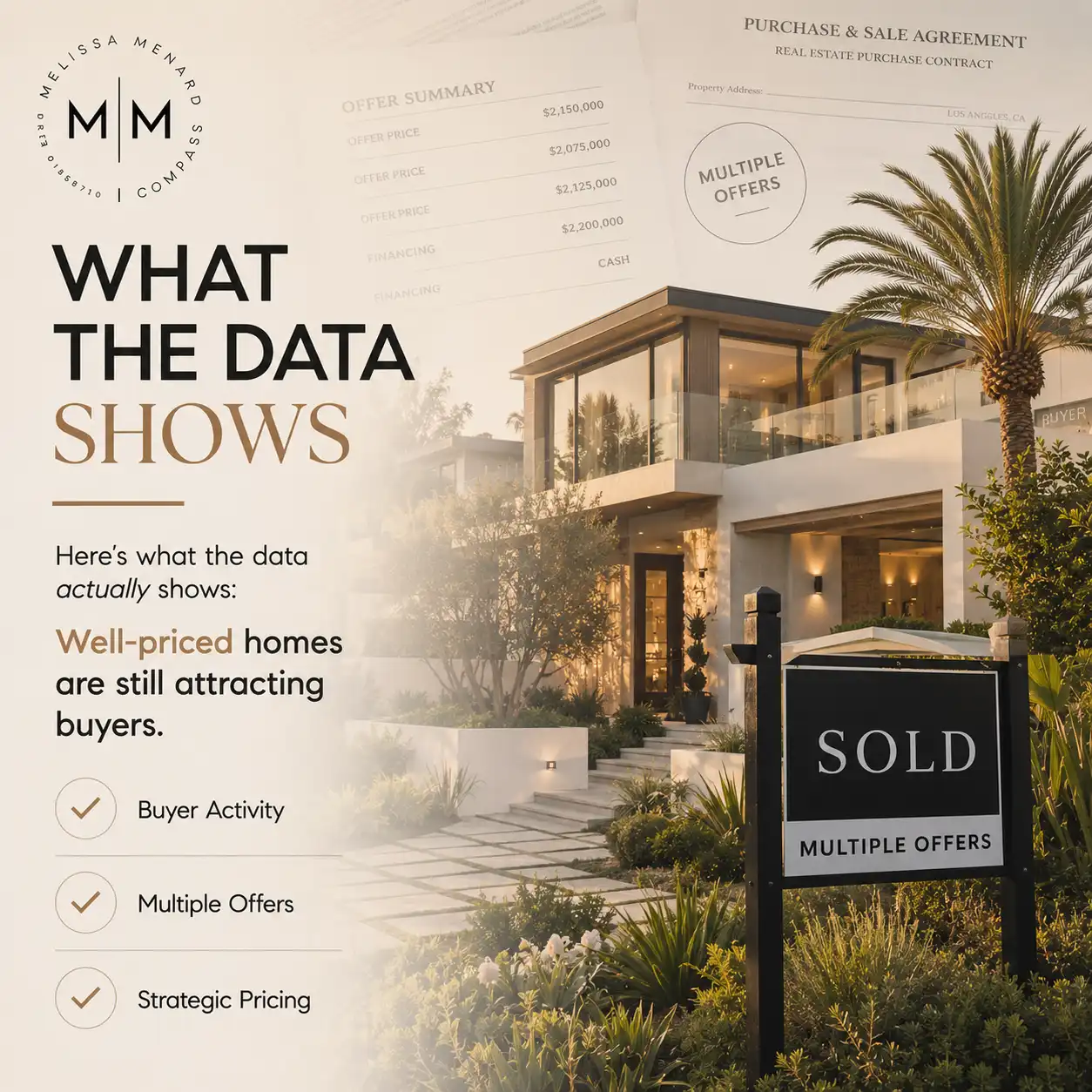
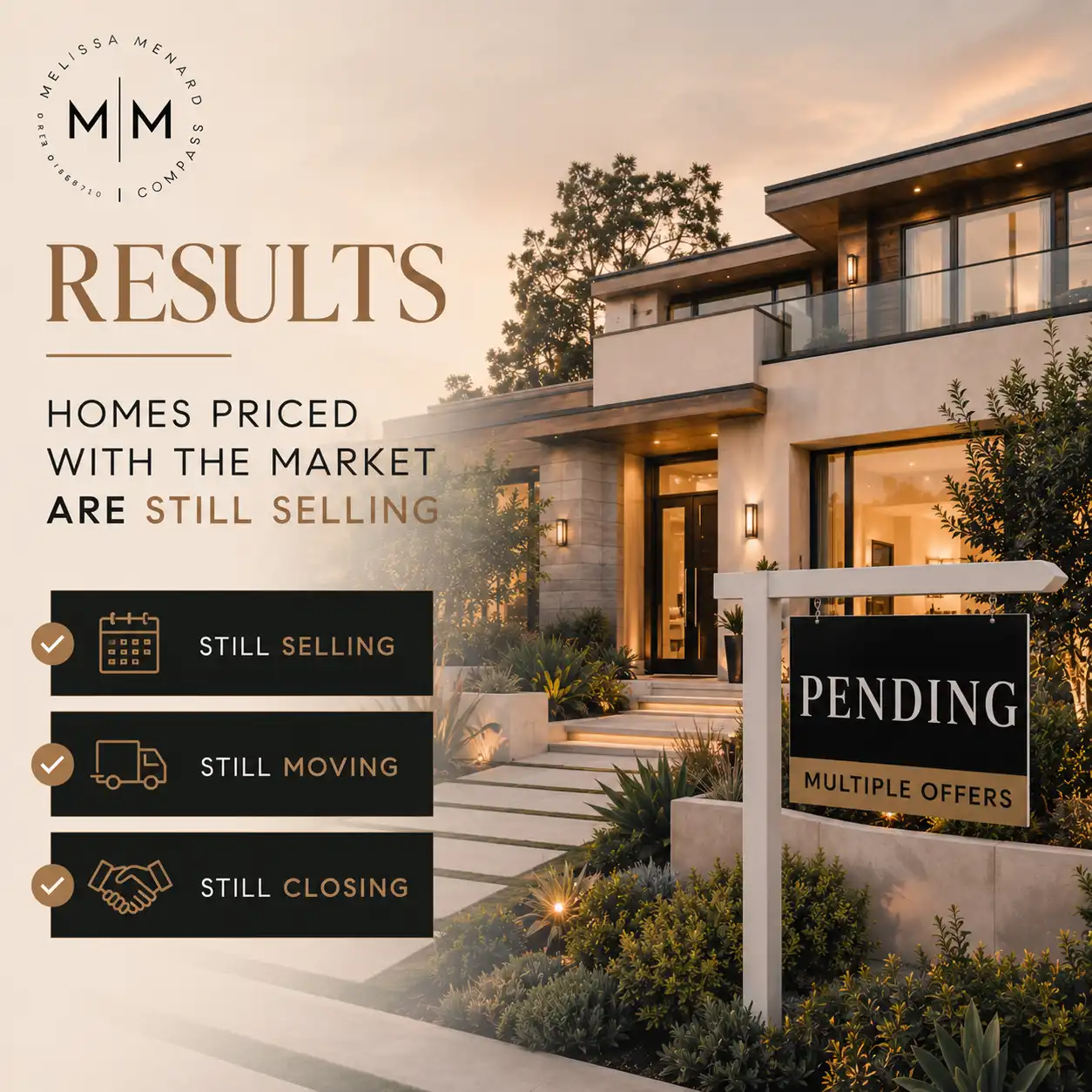
What we are witnessing across Southern California is a long-overdue market normalization. The hyper-accelerated, bidding-war-frenzied climate of recent years was fundamentally unsustainable. Today, bad pricing strategies are getting exposed, while well-priced, strategically positioned properties continue to attract multiple offers and close successfully. The long-term fundamentals of L.A. real estate remain exceptionally strong. This structural shift isn’t a values collapse; it is a healthy correction that is simultaneously establishing vital buyer opportunities and rewarding savvy, strategic sellers.
Fast Facts: L.A. Market Update
- Correction vs. Crash: A crash involves widespread panic selling, high unemployment, and collapsing asset values across the board. The current L.A. market is experiencing selective price adjustments—a stabilization where overpriced inventory sits, but accurately priced homes move quickly.
- Strategic Pricing Wins: The era of “list it and they will overpay” is officially over. Sellers utilizing data-backed, precision pricing strategies are still securing multiple offers and fast closings.
- Buyer Leverage Rebounds: For the first time in years, buyers have room to breathe. Increased inventory and longer average days on market mean more options, greater negotiation power, and genuine structural opportunities.
- Underlying Fundamentals Stay Strong: Despite elevated mortgage rates, the restricted supply of premium Westside and valley properties, combined with consistent luxury demand, continues to anchor home values against a freefall.
Deep-Dive Analysis: The Mechanics of the L.A. Real Estate Reset
1. Crash vs. Correction: Exposing Bad Pricing
To understand why the L.A. market isn’t crumbling, we have to look at what actually happens during an economic housing crash. True market crashes are driven by systemic macroeconomic failure: skyrocketing unemployment, systemic mortgage defaults, foreclosures flooding the MLS, and widespread panic selling.
Currently, Los Angeles boasts solid employment numbers, historically low foreclosure rates, and highly capitalized homeowners who locked in ultra-low mortgage rates years ago.
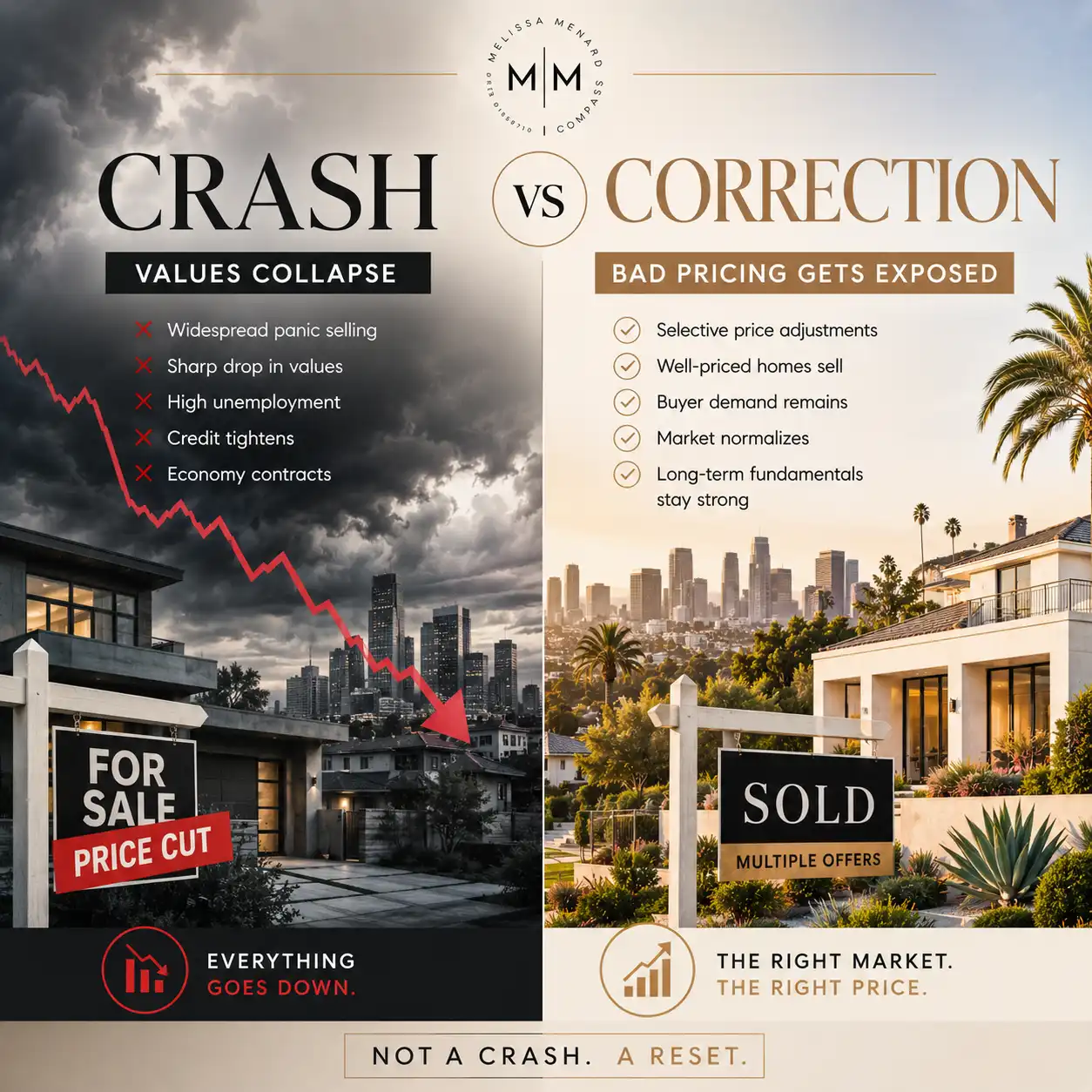
What the headlines are misinterpreting as a “crash” is actually bad pricing getting exposed. During the peak of the market cycle, sellers could demand arbitrary premiums and get them. Today, the market has normalized. When a property is listed with an unrealistic, speculative price tag, it languishes on the market and eventually requires a significant price cut. That isn’t a symptom of a broken market; it’s proof of a functioning one. When those superficial premiums are stripped away, the underlying data shows that well-priced homes are still selling, moving, and closing on schedule.
2. The Seller’s Playbook: Strategy Over Guesswork

For sellers in today’s Southern California landscape, strategy is your ultimate competitive advantage. The current environment completely penalizes guesswork.
[ Speculative Pricing ] ---> [ Extended Days on Market ] ---> [ Chasing the Market Down ] ---> [ Lower Net Proceeds ]
[ Strategic Pricing ]   ---> [ Immediate Buyer Engagement ] ---> [ Multiple Offer Potential ] ---> [ Premium Clean Close ]
Pricing your home correctly from day one matters more than ever. Buyers are highly educated and acutely aware of carrying costs due to current interest rate structures. To capture their attention, sellers must look past aspirational pricing and align their properties with actual hyper-local comparable sales.
When you combine a pristine presentation with data-driven pricing, the results speak for themselves. Premium properties in high-demand ZIP codes like 90049 (Brentwood), 90077 (Bel Air), and 90046 (Hollywood Hills) are still igniting multiple offers because inventory remains historically tight. The demand hasn’t vanished—it has simply become highly selective.
3. The Buyer’s Playbook: Navigating New Leverage

If you have been sitting on the sidelines waiting for an entry point into the Los Angeles luxury market, your window of opportunity has arrived. The shift toward a balanced market has handed buyers an unprecedented amount of leverage compared to the last five years.
- More Options: Rising inventory levels mean you no longer have to settle for a property that doesn’t fully check your boxes.
- More Negotiation: Sellers are proving increasingly amenable to terms that were previously off the table, including home inspection contingencies, repair credits, and interest rate buy-downs.
- More Opportunity: With fewer frantic buyers crowding open houses, you can conduct proper due diligence, analyze long-term appreciation plays, and structure offers that protect your financial position.
Elevated mortgage rates are a reality, but seasoned buyers view them as a temporary hurdle. The old real estate adage holds true: Marry the house, date the rate. Acquiring a premier piece of Los Angeles real estate with diminished competition and a normalized price tag sets you up perfectly to refinance when the interest rate environment softens.
Frequently Asked Questions (FAQ’s)
1. Is the Los Angeles housing market going to crash in 2026?
No. The current data indicates a market correction and price stabilization, not a crash. Values are stabilizing as unrealistic pricing is corrected, but strong economic fundamentals, steady demand, and low inventory prevent an all-out collapse.
2. Why are there so many price cuts on the L.A. MLS right now?
Price cuts are the result of sellers listing their properties based on outdated, peak-market expectations. When a home is priced too high for the current interest rate environment, it sits on the market until it is adjusted to reflect actual market value.
3. Are luxury homes in areas like Beverly Hills and Bel Air still selling?
Yes. Luxury homes that feature exceptional architecture, prime locations, and accurate pricing are continuing to trade actively, often attracting multiple offers within their first few weeks on the market.
4. How are current interest rates impacting L.A. home buyers?
Elevated interest rates have reduced overall purchasing power and slowed market velocity. However, they have also reduced buyer competition, eliminating the frantic over-asking bidding wars that characterized previous years.
5. Is it a good time to buy a home in Los Angeles?
For buyers with a long-term horizon, yes. You currently have more inventory choices, increased negotiation leverage, and less competition, allowing you to secure a property without being forced to waive critical contingencies.
6. What should a seller do to attract multiple offers right now?
Sellers must rely on precision pricing strategies, immaculate staging, and aggressive marketing. Pricing the home at or slightly below current market value generates immediate urgency and channels serious buyers directly to your listing.
7. Are buyers still backing out of deals in L.A.?
While transaction dropouts did see an uptick due to initial rate shocks, cancellation rates have stabilized as buyers and sellers align on realistic appraisal values, inspection repairs, and financing terms during escrow.
8. Which Los Angeles neighborhoods are holding their value best?
Established luxury neighborhoods with limited land availability—such as Santa Monica, Brentwood, Pacific Palisades, and Bel Air—continue to display the highest level of price resilience due to persistent demand and restricted inventory.
9. Should I wait for mortgage rates to drop before buying?
Waiting for rates to drop can be counterproductive. When rates decrease, pent-up buyer demand typically floods back into the market, driving home prices higher and reigniting intense bidding wars. Buying now allows you to negotiate a better purchase price and refinance later.
10. What is the difference between a housing crash and a market reset?
A housing crash features high foreclosures, panic selling, and a total collapse in demand. A market reset or correction is a healthy stabilizing phase where demand normalizes, inventory catches up, and pricing corrects to match current economic constraints.
11. How does current inventory compare to historical averages in L.A.?
While inventory has increased relative to the historic lows of the pandemic era, it remains below long-term historical averages. This structural undersupply continues to put a solid floor under local home values.
12. Can I ask a seller for a mortgage rate buy-down in this market?
Absolutely. This is one of the premier buyer strategies available today. Many sellers are willing to credit buyers funds at closing to buy down their interest rate for the first few years of the loan instead of taking a straight price reduction.
13. What happens if my target home appraises for less than the purchase price?
In a normalized market, an appraisal shortfall reopens negotiations. Buyers can ask the seller to reduce the price to the appraised value, split the difference, or use their inspection leverage to balance out the contract terms.
14. Are cash buyers still dominating the L.A. real estate market?
Cash buyers continue to represent a significant portion of the luxury and ultra-luxury tiers, as they can bypass interest rate concerns entirely. This persistent cash volume adds an extra layer of stability to the high-end marketplace.
15. How important is hyper-local data when looking at the L.A. market?
It is absolutely critical. The Los Angeles market is made up of dozens of micro-markets. What is happening in a specific ZIP code in the San Fernando Valley can look entirely different from a micro-pocket on the Westside. You must analyze data at the neighborhood level.
Actionable Real Estate Strategies
Curious about what your property is genuinely worth in today’s reset market? Skip the automated online estimators and receive a precision-engineered, data-backed analysis of your home’s current market positioning. 👉 Request Your Custom Property Equity Audit Today

Melissa Menard REALTOR® | Compass
Los Angeles & Surrounding Areas
📞 310.729.9726 | DRE# 01858710
📧 melissa@melissamenardhomes.com
🌐 www.MelissaMenardHomes.com
Disclaimer: The information provided in this post is for educational purposes only and does not constitute financial, legal, or investment advice. Market conditions are subject to change. Please consult with a qualified professional regarding your specific real estate needs and local Fair Housing regulations.