
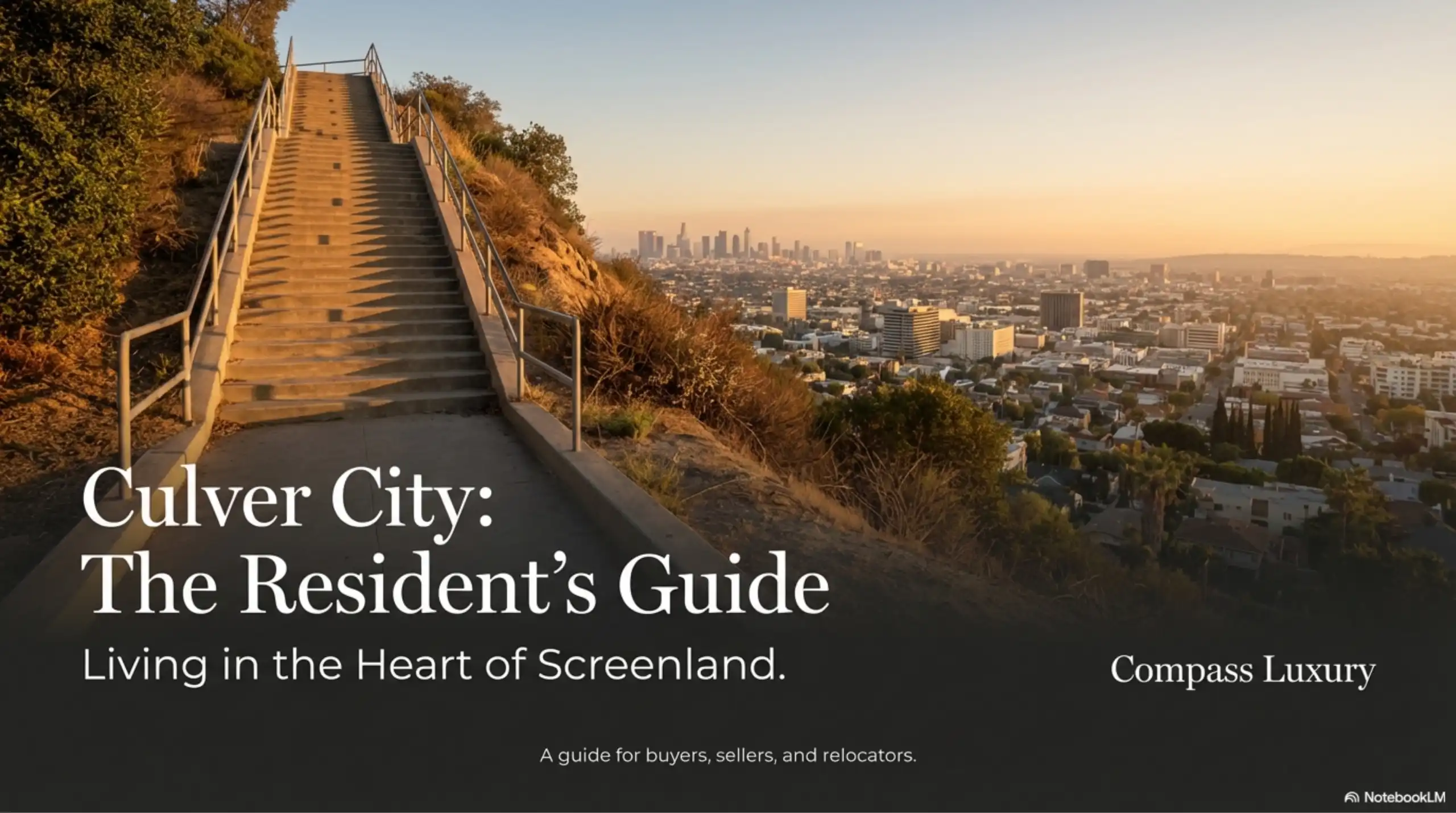
Culver City is a premier Los Angeles destination offering a unique blend of historic cinematic roots and modern innovation. This guide provides essential insights for buyers, sellers, and relocators planning a move within the next 0–12 months. Whether you are drawn by the walkable downtown or the proximity to major tech hubs, Culver City stands out as one of the most balanced residential areas in Southern California.
Best for: Buyers, sellers, and relocators comparing Culver City
Decision takeaway: Culver City offers a highly walkable, transit-oriented lifestyle with a robust local economy anchored by major tech and entertainment studios.
Key considerations:
- High walkability (Walk Score of 75) and central Westside location.
- Independent city services including its own police, fire, and school district.
- Strong demand for mid-century single-family homes and modern luxury condos.
- Next Smart Step: Schedule a neighborhood strategy call to review current inventory and off-market Compass Private Exclusives.
A Masterclass in Urban Evolution
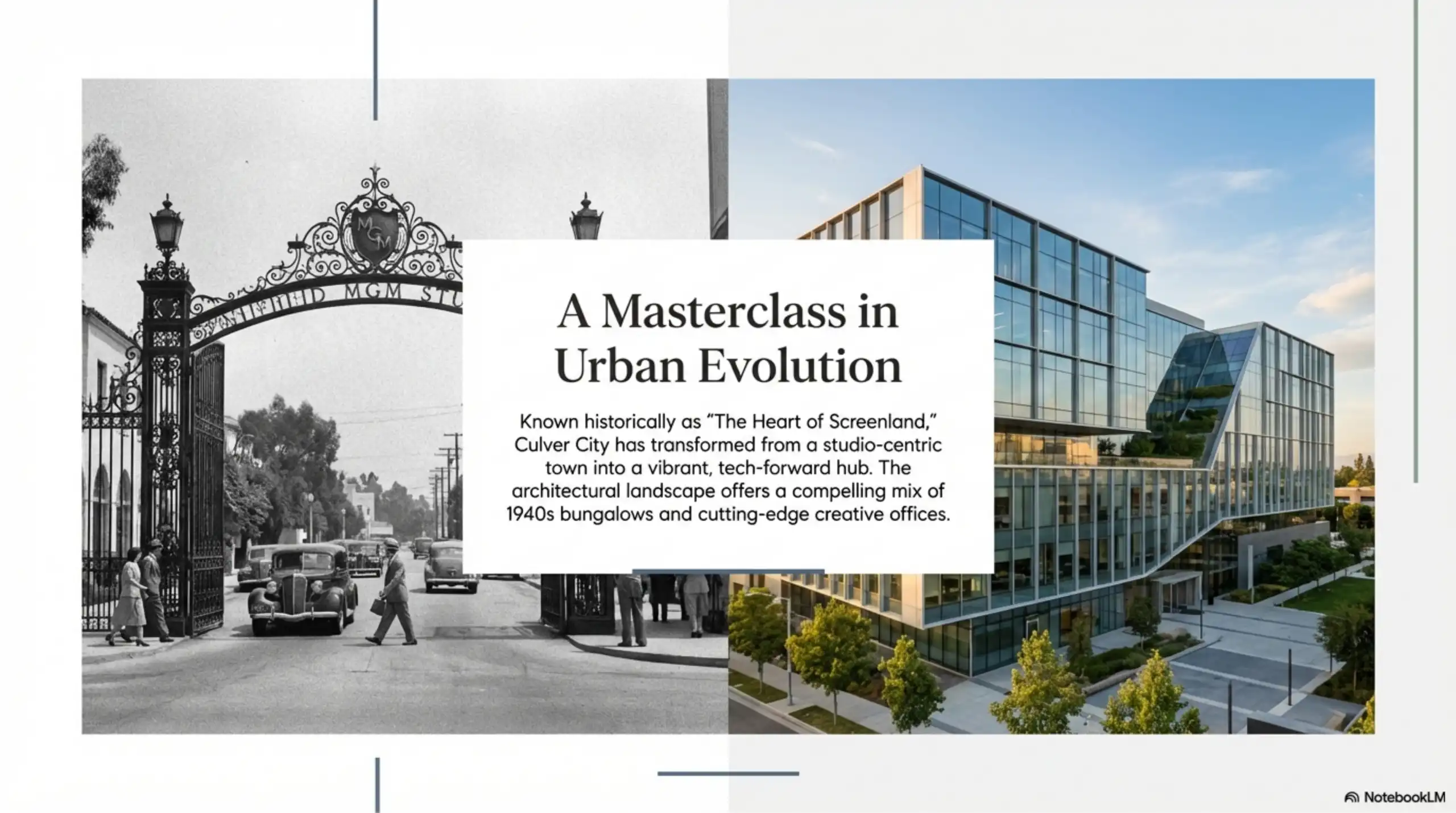
Known historically as “The Heart of Screenland,” Culver City has evolved from a studio-centric town into a vibrant, tech-forward hub. Residents enjoy a rare Los Angeles luxury: the ability to live a walkable lifestyle while remaining centrally located between the beach and Downtown LA. The architectural landscape is a compelling mix of 1940s bungalows and cutting-edge creative office spaces.
The Independent Advantage: A City Within a City
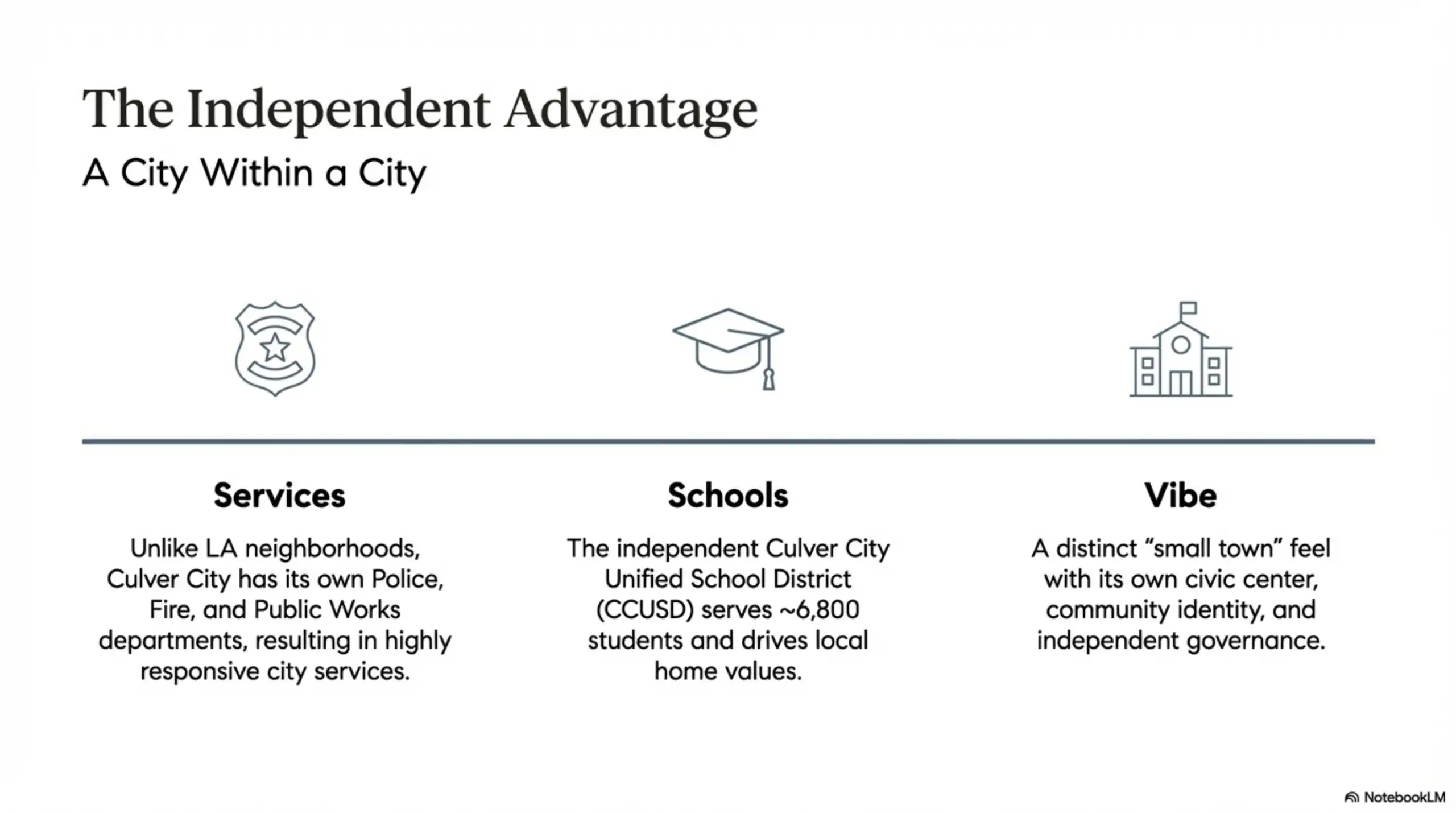
Unlike many LA neighborhoods, Culver City operates as its own municipality. This “Independent Advantage” offers tangible benefits for residents:
- Services: Highly responsive Police, Fire, and Public Works departments.
- Schools: The independent Culver City Unified School District (CCUSD) serves ~6,800 students and is a major driver of local home values.
- Vibe: A distinct “small town” feel with its own civic center and community identity.
Centrally Located. Perfectly Connected.
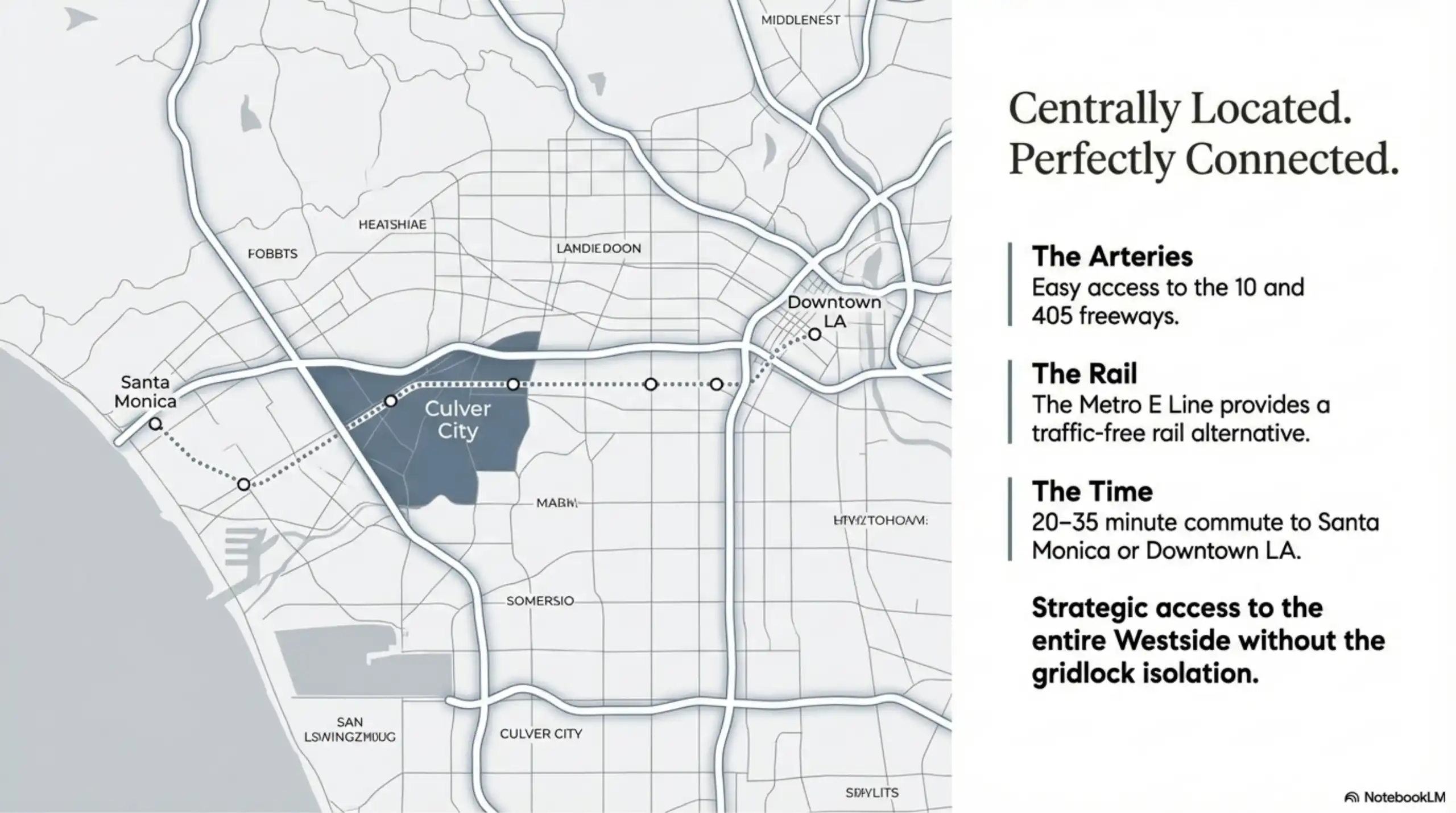
Culver City offers strategic access to the entire Westside without the typical “gridlock isolation” found in other pockets of the city.
- The Arteries: Easy access to the 10 and 405 freeways.
- The Rail: The Metro E Line provides a traffic-free rail alternative to Santa Monica and Downtown LA.
- The Time: Residents benefit from an average 20–35 minute commute to major Los Angeles hubs.
Walkable Luxury
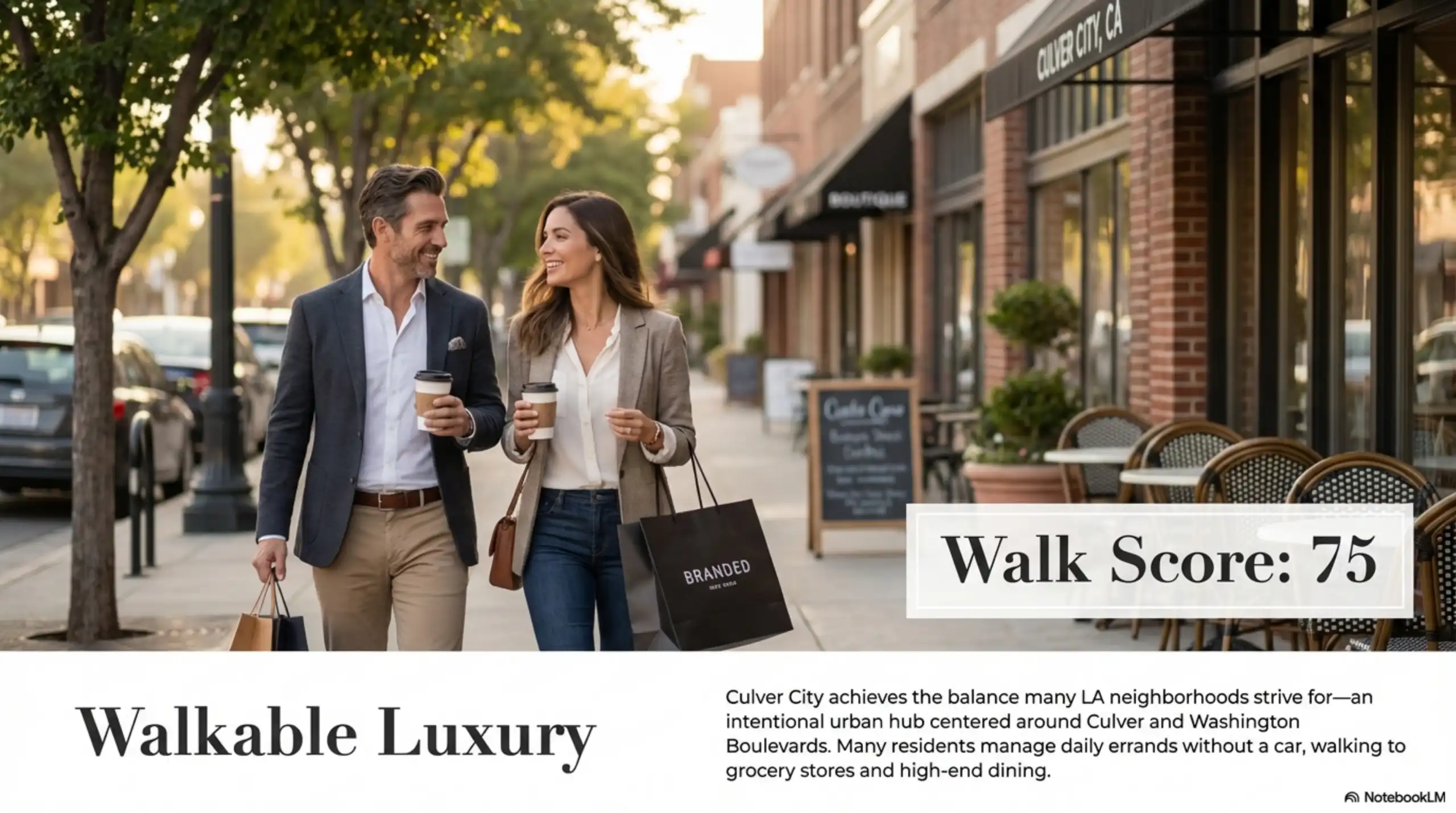
Culver City achieves the balance many LA neighborhoods strive for—an intentional urban hub centered around Culver and Washington Boulevards. With a Walk Score of 75, many residents manage daily errands without a car, walking to grocery stores, boutiques, and high-end dining.
Taste of the Neighborhood
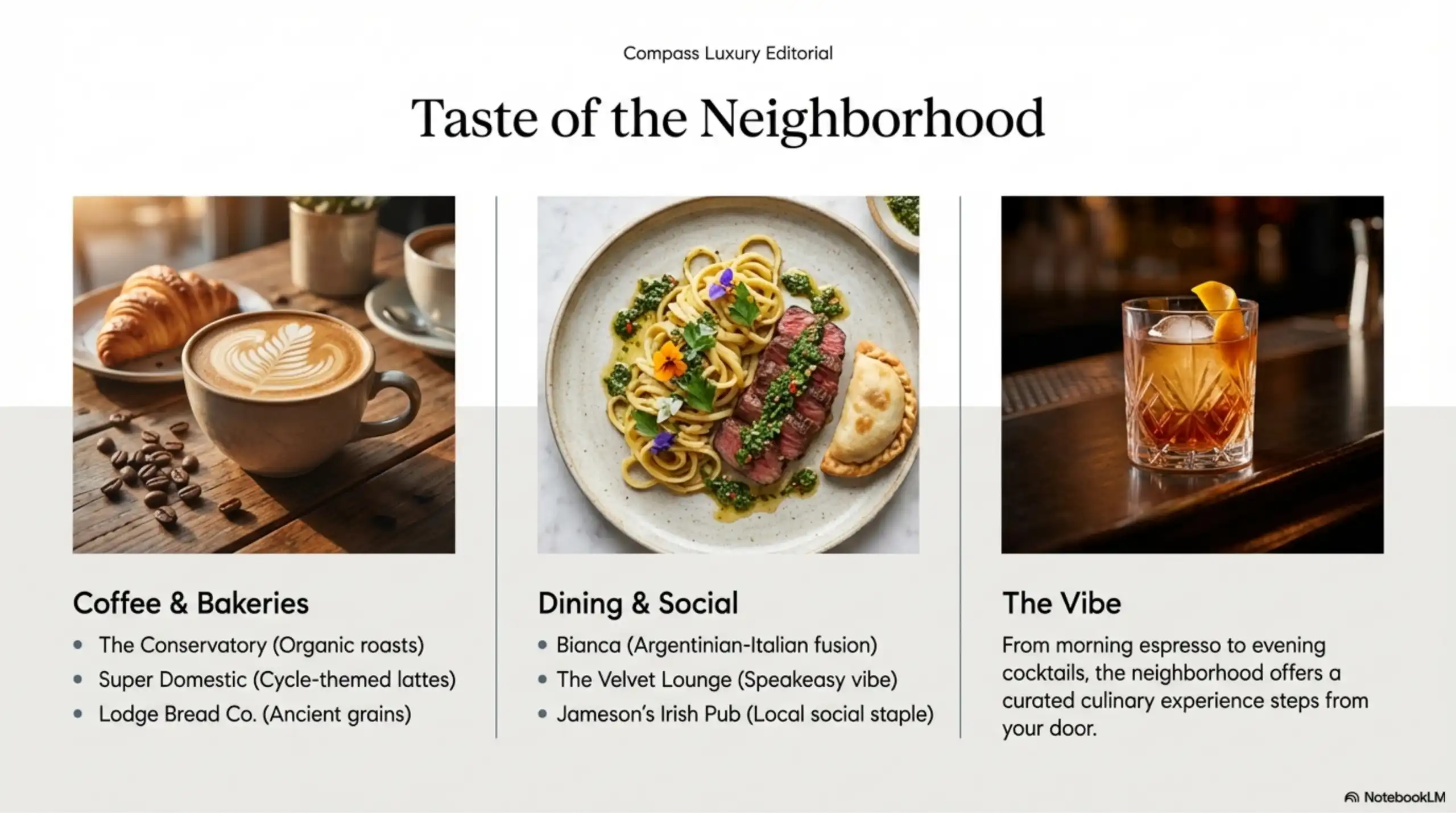
From morning espresso to evening cocktails, the neighborhood offers a curated culinary experience steps from your door.
- Coffee & Bakeries: The Conservatory (Organic roasts), Super Domestic (Cycle-themed lattes), and Lodge Bread Co. (Ancient grains).
- Dining & Social: Bianca (Argentinian-Italian fusion), The Velvet Lounge (Speakeasy vibe), and Jameson’s Irish Pub (Local social staple).
Urban Breath: 13 Parks | 41 Acres of Green Space
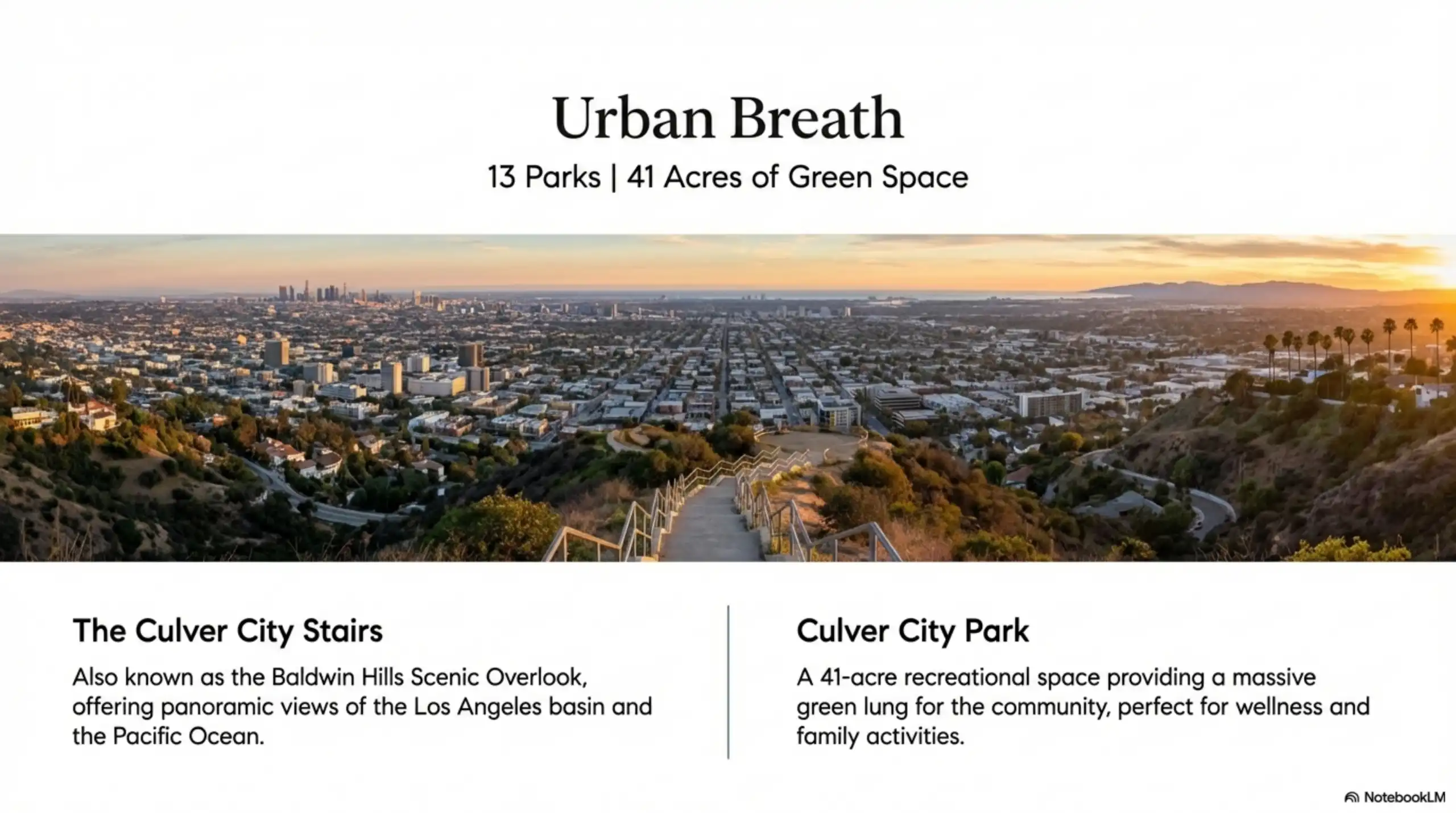
Despite its urban connectivity, Culver City prioritizes green space.
- The Culver City Stairs: Also known as the Baldwin Hills Scenic Overlook, offering panoramic views of the Los Angeles basin and the Pacific Ocean.
- Culver City Park: A 41-acre recreational space providing a “green lung” for the community, perfect for wellness and family activities.
The Tech Effect: Innovation & Investment Stability
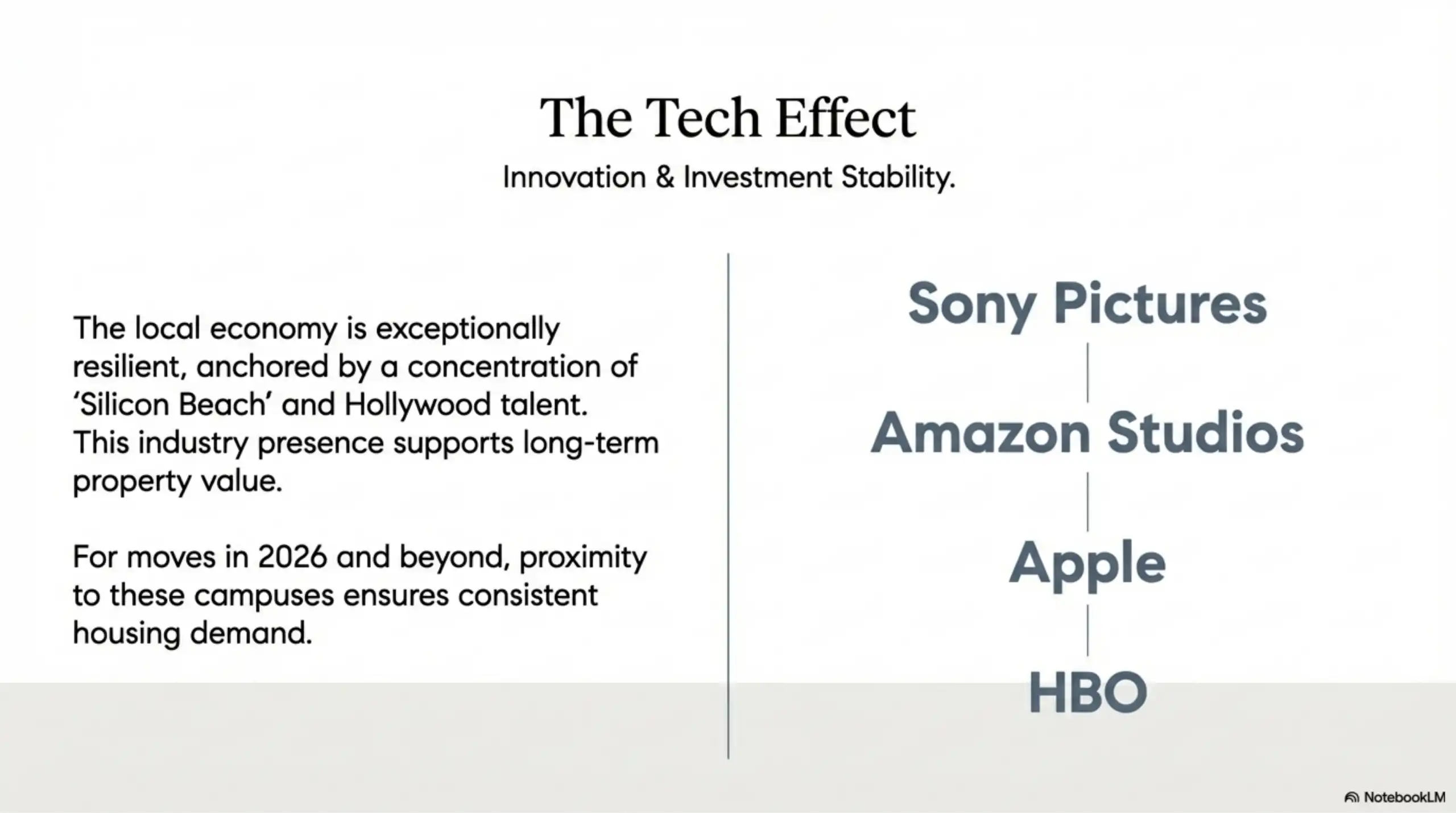
The local economy is exceptionally resilient, anchored by a concentration of “Silicon Beach” and Hollywood talent. Industry giants like Sony Pictures, Amazon Studios, Apple, and HBO ensure consistent housing demand. For moves in 2026 and beyond, proximity to these campuses supports long-term property value.
Strategic Planning for the Next 12 Months
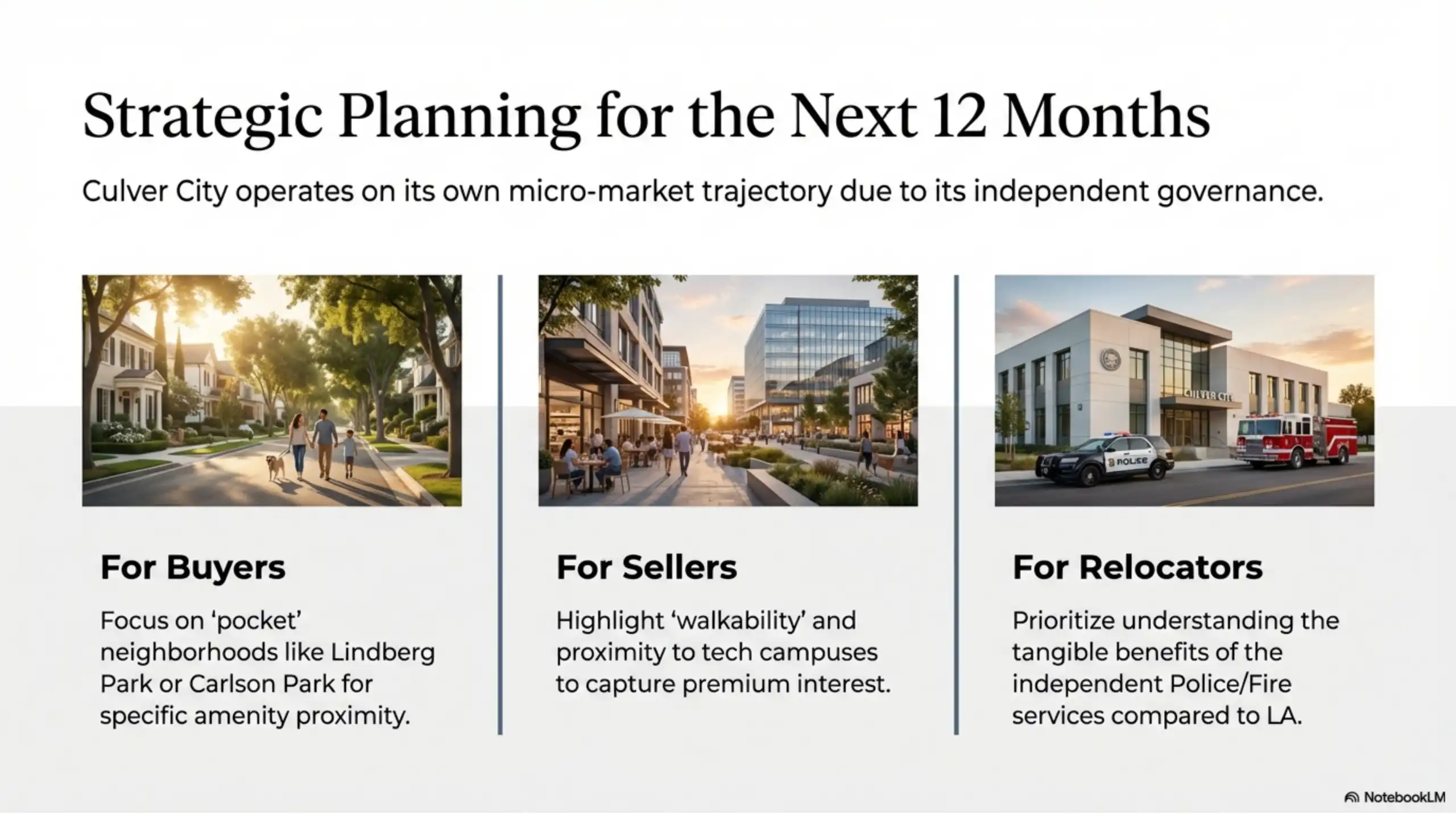
Culver City operates on its own micro-market trajectory due to its independent governance.
- For Buyers: Focus on “pocket” neighborhoods like Lindberg Park or Carlson Park for specific amenity proximity.
- For Sellers: Highlight “walkability” and proximity to tech campuses to capture premium interest.
- For Relocators: Prioritize understanding the benefits of independent Police/Fire services compared to greater LA.
Ready to start your move to Screenland? Schedule a Neighborhood Strategy Call to review off-market Compass Private Exclusives and current inventory.
Melissa Menard REALTOR® | Compass
Culver City & Surrounding Areas Los Angeles
📞 310.729.9726 | DRE# 01858710
📧 melissa@melissamenardhomes.com
🌐 www.MelissaMenardHomes.com
Frequently Asked Questions
What makes Culver City different from the rest of Los Angeles?
Culver City is an independent municipality with its own school district, police department, and fire department. This independence often results in highly responsive city services and a distinct community identity. For residents, this means a “small town” feel within the larger Los Angeles metro area.
Is Culver City considered a walkable neighborhood?
Yes, Culver City is one of the most walkable areas on the Westside, boasting a Walk Score of 75. Many residents in the downtown area can walk to grocery stores, high-end dining, and the Metro E Line. If walkability is your priority, we should focus your search near the downtown core.
How are the schools in Culver City?
The Culver City Unified School District (CCUSD) is highly regarded and serves approximately 6,800 students. Because it is an independent district separate from LAUSD, it is a primary driver for home values in the area. We can review specific school boundary maps during our strategy session.
What are the main employment hubs in Culver City?
Culver City is a major center for the entertainment and tech industries. It is home to Sony Pictures, Amazon Studios, Apple, and HBO. This concentration of “Silicon Beach” and Hollywood talent makes it a prime location for professionals, ensuring consistent demand for housing.
What is the average commute from Culver City to other LA areas?
Culver City is centrally located with easy access to the 10 and 405 freeways. A commute to Santa Monica or Downtown LA typically takes 20–35 minutes. The Metro E Line also offers a reliable rail alternative for those looking to avoid traffic.
What should I know before selling a home in Culver City?
Sellers in Culver City benefit from high demand driven by the local tech boom and the school district’s reputation. Strategic pricing and emphasizing “walkability” are key to attracting multiple offers. For a modern approach, utilizing Compass Concierge to refresh your home can significantly impact your final sale price.